How to Search Smarter for TRT Replacement Therapy Near Me in Your Area

Typing TRT replacement therapy near me into a search bar looks simple enough. The hard part starts after the results load. You will usually see a mix of hormone clinics, primary care offices, telehealth brands, men’s health centers, medical spas, and paid ads that all promise some version of the same thing: more energy, better mood, improved libido, and a smoother treatment process.
That is where many people get stuck. The problem is not finding options. The problem is separating good medical care from slick marketing.
Testosterone replacement therapy can be appropriate for some men with clinically confirmed low testosterone and symptoms that fit the picture. It can also be overprescribed, oversimplified, or sold as a lifestyle upgrade without proper workup. If you are searching locally, you need a better method than clicking the first result and booking the earliest appointment.
A smart search starts with one basic idea: TRT is not just a product. It is an ongoing medical relationship. The quality of that relationship matters far more than how polished the website looks or how fast you can get a prescription.
Start with what “near me” should actually mean
When people search for care in their area, they often mean physical distance. That matters, but with TRT it is only one part of the equation. A clinic twenty minutes away that runs proper labs, explains risks clearly, and follows patients closely is more “near” in any meaningful sense than a place five minutes away that funnels everyone into the same protocol.
You are looking for practical access, not just geography. That includes whether the office offers early morning blood draws, whether follow-up appointments are easy to schedule, whether someone answers the phone when lab results come in, and whether refills are handled without chaos. For many patients, especially those balancing work and family, convenience is not a luxury. It is one of the main factors that determines whether treatment stays safe and consistent.
There is another wrinkle now. Some excellent TRT providers operate through a hybrid model. You might have an initial in-person evaluation, then complete follow-ups by telemedicine, with labs done at local facilities. In that case, “near me” can reasonably include providers who are not on your block but are licensed in your state and have a system that works. That widens your options without lowering your standards.
What a good TRT search result should tell you before you ever call
The first screen of search results can be surprisingly revealing. A reputable practice does not need to hide what it does. It should be reasonably clear whether the provider is a physician-led clinic, a urology office, an endocrinology practice, a primary care office with hormone management experience, or a telehealth company.
Look closely at the wording on the website. If every sentence sounds like a sales pitch and almost none of it explains diagnosis, lab testing, side effects, fertility impact, or follow-up care, that tells you something. The most common weak sites focus heavily on benefits and barely mention monitoring. The strongest sites tend to discuss candidacy, testing, and the need for medical oversight in plain language.
You should also be able to tell who is treating patients. Are there named physicians, nurse practitioners, or physician assistants? Do they have relevant training or a practice focus in men’s health, endocrinology, urology, or hormone management? You do not need a provider with celebrity status. You do need one who is visible, accountable, and medically grounded.
Reviews can help, but they need to be read with restraint. Five-star ratings do not prove quality, and a few angry reviews do not automatically disqualify a clinic. What matters is the pattern. If multiple patients praise clear communication, thoughtful lab interpretation, and steady follow-up, that means more than generic comments about “great staff.” If multiple reviews mention rushed visits, surprise costs, or difficulty getting prescriptions corrected, pay attention.
The first filter: diagnosis comes before treatment
A lot of men begin looking into TRT because they feel tired, flat, or unlike themselves. Those symptoms are real, but they are not specific to testosterone. Poor sleep, sleep apnea, depression, excess alcohol use, obesity, overtraining, chronic stress, thyroid problems, certain medications, and insulin resistance can all produce a very similar picture.
That is why a proper workup matters. A careful provider will not diagnose low testosterone from one vague symptom or a single random blood test in the afternoon. Testosterone levels fluctuate. Timing matters. Context matters. Other labs matter too.
In practice, the better clinics tend to slow the process down just enough to get it right. That might feel less exciting than a same-day prescription, but it is often a sign that they take the condition seriously. A rushed start can create months of confusion later, especially if symptoms do not improve or side effects show up.
If your search for TRT replacement therapy near me leads you to clinics that promise treatment before they have even discussed proper testing, keep looking.
Which specialists are worth considering
TRT is managed by different kinds of clinicians, and each can be a good fit in the right setting. Urologists often see men dealing with sexual health concerns, testicular issues, and age-related testosterone decline. Endocrinologists are especially useful when the hormonal picture is complicated, when other endocrine issues are possible, or when diagnosis is uncertain. Primary care physicians can also be excellent if they have strong experience with hormone therapy and are willing to monitor carefully.
Dedicated hormone clinics occupy a middle ground. Some are very well run, with solid protocols and close follow-up. Others are built more like retail businesses, where the evaluation is narrow and the treatment menu is broad. You cannot judge them all the same way. You have to ask better questions.
A patient I once heard describe his search put it perfectly. He said the first clinic felt like buying a gym membership, and the second felt like seeing a doctor. The difference was not décor. It was depth. One talked almost entirely about benefits and monthly packages. The other spent time on sleep, fertility plans, baseline labs, blood pressure, body composition, and the possibility that his fatigue might be driven by untreated sleep apnea. That second conversation did not just sound more medical. It was more useful.
The lab work question that tells you a lot
If you want one shortcut for judging a TRT provider, ask what testing they require before treatment and what they monitor TRT replacement therapy near me afterward. Their answer often tells you nearly everything you need to know.
Before starting therapy, most responsible clinicians will want a history, physical assessment, symptom review, and bloodwork that goes beyond total testosterone alone. The exact panel varies by patient, but context is key. Depending on the case, that may include repeat morning testosterone testing, free testosterone or SHBG context, luteinizing hormone, follicle-stimulating hormone, complete blood count, metabolic labs, PSA in appropriate patients, and evaluation for contributing conditions.
After treatment begins, the follow-up schedule matters just as much. Testosterone therapy can affect hematocrit, estrogen balance, fertility, acne, mood, sleep apnea, and more. Dosing often needs adjustment. Some patients feel better quickly, while others need careful fine-tuning over several months. Clinics that present TRT as “set it and forget it” are not being realistic.
Questions worth asking before you book
A short phone call with the front desk or patient coordinator can save you a lot of time. You do not need to interrogate anyone, but you should get a clear sense of how the clinic operates.
- Who actually evaluates and prescribes, and what are their credentials?
- What labs are required before starting TRT, and how often are follow-up labs done?
- Do you treat men who want to preserve fertility, or do you refer those cases out?
- What does the quoted price include, such as visits, labs, medication, supplies, and follow-up?
- If side effects or dose issues come up, how quickly can a patient speak with a clinician?
Those five questions do more than gather facts. They reveal tone. A strong office usually answers calmly and directly. A weak one often gets vague, dodges specifics, or pivots back to sales language.
Be careful with “all-in-one” pricing that sounds too clean
Cost matters. TRT can be expensive, especially if insurance does not cover visits, labs, or medication. A clinic that offers transparent pricing is doing something right. But very neat monthly packages can hide important details.
Ask what is actually included. Some clinics bundle consultations and medication but bill labs separately. Others quote a low monthly fee, then add charges for injections, syringes, follow-up appointments, or medication shipping. Some work with insurance, others are entirely cash pay, and still others do both depending on the service.
There is no universally best payment model. Cash-pay hormone clinics can be efficient and responsive. Traditional specialist offices may offer more comprehensive workups and better insurance integration. What matters is whether you understand the total cost over time. TRT is usually not a one-visit expense. It is a recurring commitment that may include medication, labs every few months early on, and periodic clinical reassessment.
If you are comparing local options, calculate at least the first six months. That gives a more honest picture than a single monthly quote.
Why convenience should not outrank clinical judgment
Fast access is appealing. Many men who search for TRT have already spent months feeling off. They want relief, and they want it now. I understand that impulse. Still, speed should not be the deciding factor.
A clinic that can see you tomorrow is not automatically better than one booking three weeks out. Sometimes the more established practices simply have fuller schedules because they retain patients and do careful follow-up. On the other hand, a long wait is not a badge of excellence either. The point is that speed, by itself, says almost nothing about quality.
What does matter is how decisions get made once you are in the room. Does the provider ask about sleep, weight changes, alcohol use, medications, stress, prior anabolic steroid use, and whether you want children in the future? Do they explain why your testosterone might be low? Do they discuss alternatives, or only one path?
Good TRT care often involves some uncomfortable honesty. If a man sleeps five hours a night, has probable sleep apnea, drinks heavily on weekends, and has gained thirty pounds in two years, a responsible clinician should say those things matter. Testosterone might still play a role. But treatment without context is poor medicine.
Fertility is the detail too many clinics rush past
This deserves blunt treatment because it is one of the most common regrets. Testosterone replacement therapy can suppress sperm production. For some men, that effect is temporary and manageable. For others, especially those hoping to conceive in the near future, it can become a major issue if nobody warned them clearly at the start.
A provider who handles TRT responsibly should ask about fertility goals early, not as an afterthought. Younger men, men without children, and men who may want children later should be especially careful here. In some cases, a different treatment approach may make more sense. In other cases, TRT may still be used, but only with informed planning and close management.
If a clinic never brings this up, or brushes it aside with a casual “we’ll deal with that later,” move on.
The red flags that keep showing up
Some warning signs are subtle. Others are obvious the moment you hear them. A few are so common that they are worth remembering during any local search.
- Same-day prescribing with little or no diagnostic discussion
- One-size-fits-all dosing protocols for every patient
- No clear plan for repeat labs and hematocrit monitoring
- Heavy emphasis on add-on products before basic evaluation is complete
- Minimal discussion of fertility, cardiovascular risk factors, or sleep apnea
Any one of these does not prove a clinic is unsafe, but several together should make you cautious. In real life, weak TRT practices tend to cluster their problems. When the evaluation is shallow, the monitoring is often shallow too.
Local clinic versus telehealth: the real trade-off
This is one area where blanket advice does not help. Some men do best with a local, brick-and-mortar practice because they like in-person visits, want physical exams, and prefer one office handling the whole process. Others do very well with telehealth because their provider is responsive, the lab system is streamlined, and the treatment plan is individualized.
The real trade-off is not online versus local. It is system quality versus system quality. A telehealth clinic with sharp protocols and dependable follow-up can be safer than a nearby office that treats TRT like a retail product. At the same time, a strong local practice can offer advantages that remote care cannot fully replace, especially when the case is complicated.
If you are choosing between the two, think about your own priorities. Do you want face-to-face visits? Do you travel often? Are you comfortable giving yourself injections if that becomes part of the plan? Do you have a local primary care physician who can coordinate other aspects of your health? The best answer depends on how you live, not just on what appears first in search results.
Read the clinic’s language closely
Words reveal mindset. Clinics that describe TRT as a near-universal fix for aging, motivation, body composition, and sexual function are usually selling a story that medicine cannot reliably deliver. Testosterone therapy can help the right patient. It is not a shortcut around every form of fatigue, low drive, or midlife frustration.
More grounded clinics usually sound less dramatic. They talk about symptoms, lab confirmation, candidacy, informed consent, monitoring, and realistic expectations. That may not be as exciting, but it is far more trustworthy.
Watch for inflated promises. “Feel like your younger self again” is marketing. “Treatment plans are tailored based on symptoms, labs, and follow-up response” is more believable. The difference may seem small, but it often reflects a very different clinical culture.
Expectations matter more than most people realize
One reason men bounce between TRT providers is disappointment. Sometimes the treatment was poorly managed. Sometimes the expectations were off from the start.
TRT is not instant. Even when it is clearly indicated and properly prescribed, improvements often unfold gradually. Energy may improve before body composition does. Libido may change faster than mood. Sleep, exercise, and diet still matter. So does dose adjustment. Some men feel significantly better. Others improve modestly. A few find that low testosterone was only part of the story.
The better the initial conversation, the less likely you are to feel misled later. During your search, favor clinics that speak in measured terms. The best doctors usually do.
How to compare two or three strong options
Once you narrow the field, comparison becomes easier. Do not overcomplicate it. You are trying to judge medical quality, communication, and long-term fit.
If two clinics seem equally solid, choose the one that answers your questions directly and has the smoother process for labs and follow-up. In ongoing therapy, small operational details matter. A well-run office reduces missed doses, delayed refills, and confusion about lab timing. That alone can improve the treatment experience.
I have seen patients choose the flashier clinic, then switch six months later because nobody returned calls, prescriptions got delayed, or nobody explained why their hematocrit had risen. Those are avoidable problems. A calm, competent office often beats a heavily branded one.
A smarter search is usually a slower search
The irony of searching for TRT replacement therapy near me is that the best choice often comes from slowing down by a few days. Read the site. Check who TRT replacement therapy near me provides care. Call the office. Ask about labs, follow-up, pricing, and fertility. Notice whether the clinic sounds like medicine or marketing.
You do not need the “perfect” provider. You need one who evaluates carefully, monitors responsibly, communicates clearly, and treats testosterone therapy as ongoing medical care rather than a commodity.
That is the real goal. Not just to find TRT near you, but to find the kind of care you can trust once treatment actually begins.
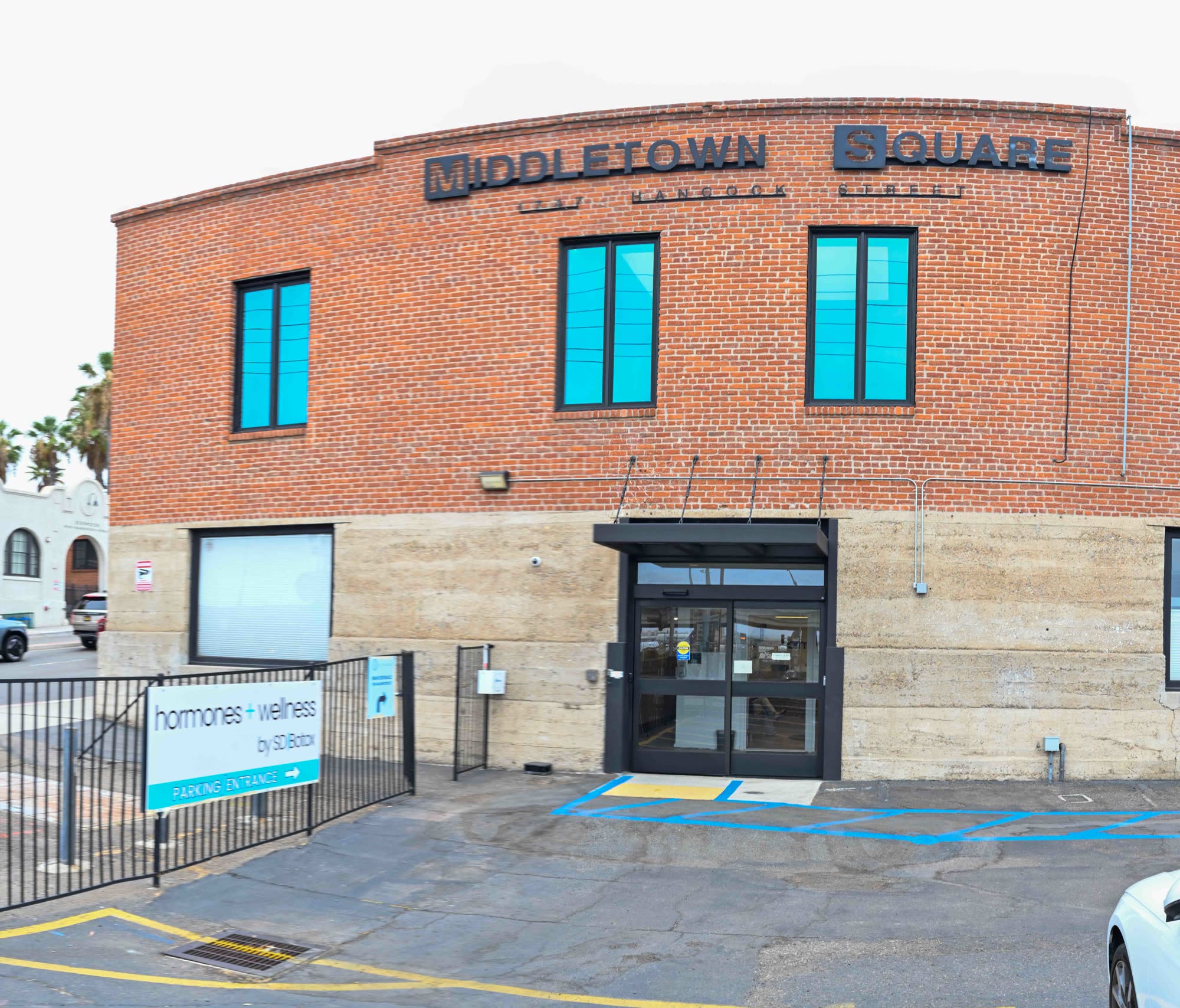
SDBody Mission Hills
Address: 1747 Hancock St Ste C, San Diego, CA 92101
Phone: (619) 772-0252
FAQ About TRT replacement therapy near me
How do I know if I need testosterone replacement therapy?
A clinician evaluates your symptoms and medical history and usually checks testosterone on two separate mornings. Consistently low levels and compatible symptoms help guide the decision.
What monitoring is needed during testosterone replacement therapy?
Follow-up usually includes a review of symptoms, testosterone levels and red blood cell counts. Your clinician may recommend additional monitoring based on your health history.
Can testosterone replacement therapy affect fertility?
Prescribed testosterone can reduce sperm production. Tell your clinician if you plan to have children so you can discuss your options before starting treatment.